Majestic Deck Builders Austin: Custom Deck Building Services for Backyards
Durable Deck Solutions: Experience the Best in Outdoor Living
Resilient decking options provide a practical approach to upgrading outdoor recreational zones. When opting for durable outdoor materials, homeowners can achieve both beauty and longevity. Various options exist, every one featuring special attributes and decorative characteristics. Consideration of climate and maintenance needs is essential during the planning and selection phase. While investigating the various choices, turning an outside zone into a personal haven becomes progressively within reach. Learn how to select wisely for enduring satisfaction.
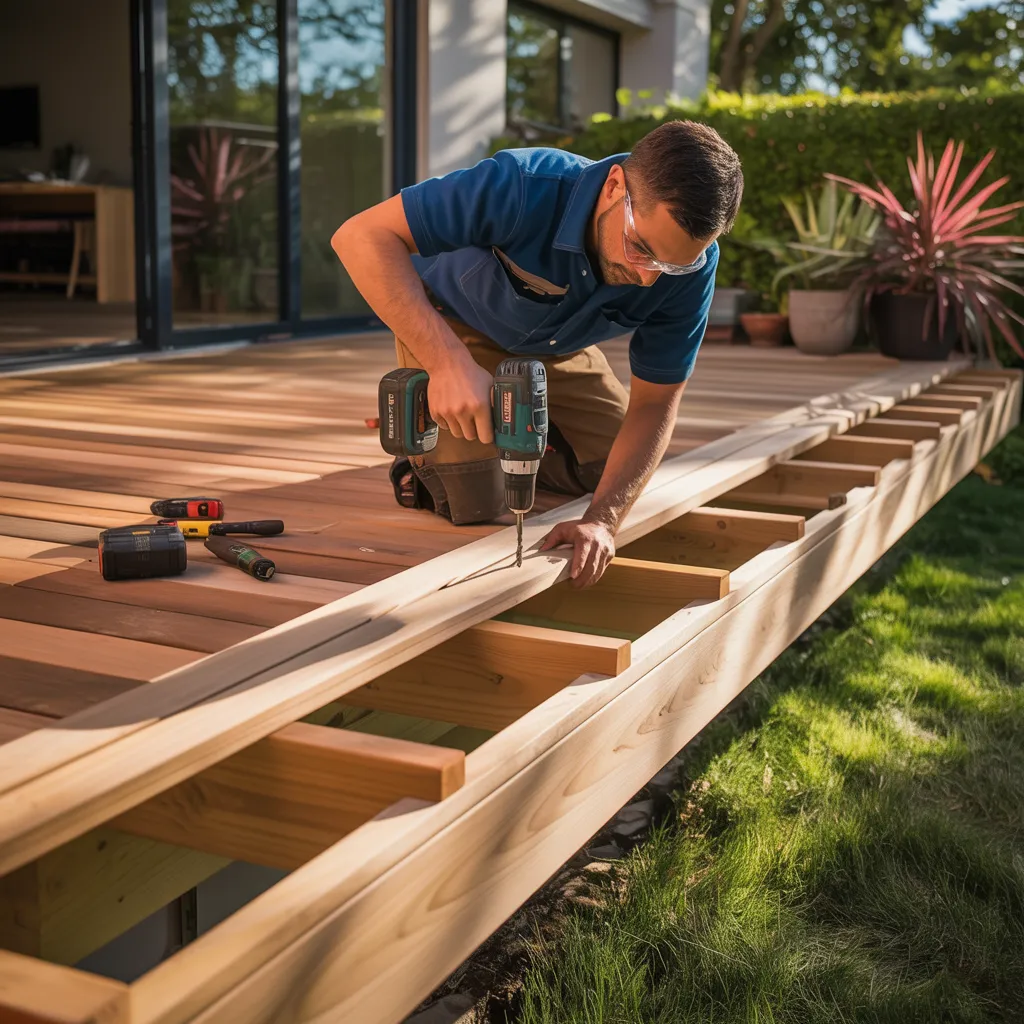
Why Select Long-Lasting Deck Materials for Your Outdoor Area?
When evaluating an outdoor space, the decision of resilient deck options is important, as they not only boost curb appeal but also assure longevity. Long-lasting materials, such as composite decking, hardwood, and PVC, resist the elements, reducing the need for frequent repairs or replacements. This durability ensures that the exterior living area remains functional and attractive over time.
Furthermore, investing in durable decking can lead to long-term economic advantages. Homeowners can avoid the expenditures associated with upkeep, such as refinishing or resealing, that are commonly needed with less robust materials. Moreover, the environmental benefit of selecting green materials, like recycled composites or responsibly sourced hardwood, cannot be overlooked. These choices result in a lower environmental impact while offering a stunning and durable surface. Ultimately, selecting durable deck materials improves not just the overall outdoor living experience but also the overall value of a residence.
Design Ideas to Elevate Your Outdoor Space
To enhance open-air environments, careful design selections can have a meaningful effect. Creative color palettes can change the ambiance, while purposeful furniture layouts guarantee both ease and functionality. Together, these elements can turn any deck into a comfortable haven.
Color Palettes That Inspire
What color choices can genuinely convert an outdoor space into a magical escape? A range of soft natural tones, like sandy beiges and muted greens, can cultivate a tranquil setting that complements the natural surroundings. Conversely, vibrant blues and sunny yellows can invigorate the space, offering a lively contrast against lush greenery. Introducing deep, warm tones such as rich terracotta or earthy reds can enhance dimension, lending the space a warm and welcoming character. To achieve a contemporary aesthetic, explore monochromatic designs featuring different shades of gray, highlighted by vibrant pops of color in the accessories. Ultimately, the right color scheme not only enhances aesthetic appeal but also influences the mood, encouraging relaxation and enjoyment in outdoor living environments.
Functional Furniture Arrangements
Designing a thoughtfully structured furniture setup can significantly improve the usability and decorative charm of an outdoor space. To begin, arranging seating together promotes socializing, while incorporating a mix of chairs, benches, and loungers accommodates diverse needs. Additionally, positioning a dining table close to the kitchen or grill ensures ease during dining. Making use of multi-purpose furniture such as storage ottomans or collapsible tables optimizes available space. Layering rugs can define specific areas, introducing texture and coziness. Moreover, weaving in plants and ornamental details can ease harsh textures and cultivate a more hospitable setting. At its core, a thoughtfully designed furniture configuration not only improves usability but also transforms the outdoor area into a stylish extension of the home, encouraging relaxation and enjoyment.
Premium Deck Materials Built for Long-Term Durability
When selecting materials for your deck, three main options emerge for their outstanding durability and long-lasting performance. To begin, composite decking combines natural wood fibers and recycled plastics, delivering resilience against moisture, rot, and insects. This mixture not only limits maintenance needs but also provides an appealing aesthetic. Following that, PVC decking, produced entirely from man-made materials, is resistant to water and staining, ensuring a long lifespan without the need for sealing or painting. Its rich colors and textures retain their beauty over time. To conclude, hardwoods such as Ipe and Teak are celebrated for their outstanding strength and inherent resistance to outdoor elements. These robust woods are capable of enduring intense foot traffic and challenging weather, making them an ideal selection for particular homeowners. Ultimately, each of these materials provides unique benefits, enabling homeowners to select based on their personal needs and preferences for outdoor spaces and living areas.
Key Maintenance Tips to Extend the Life of Your Deck
Keeping up a deck is vital for securing its longevity and aesthetic appeal. Routine cleaning serves as a basic requirement; dirt, debris, and fallen leaves should be cleared away to prevent mold and mildew growth. Employing a light soap solution alongside a soft-bristle brush can help keep the surface pristine without causing damage.
Sealing the deck every one to three years is vital. This defensive coating guards against moisture infiltration and UV deterioration, keeping the wood's structure and color intact. Moreover, routinely examining the deck for unsecured boards, rusted fasteners, or visible wear ensures that repairs can be made in a timely manner before damage progresses.
It is equally important to be cautious about placing large furniture pieces in one spot for extended periods, as doing so can lead to indentations. Additionally, utilizing protective furniture pads under pieces helps to evenly distribute the weight, reducing stress on the surface of the deck. By following these maintenance tips, homeowners can greatly extend the durability of their outdoor spaces.
Choosing Decking Based on Your Climate
Choosing the best decking material is important, especially since local climate can significantly influence its performance and longevity. In locations with elevated moisture levels, such as seaside locations, materials like composite materials may be more suitable due to their durability against mold and deterioration. Conversely, dry climates can result in increased UV exposure, making hardwoods like teak and ipe suitable choices, as they are naturally resistant to UV damage.
In areas with cold climates, freeze-thaw cycles can affect decking materials. In such environments, treated wood and composite alternatives engineered for harsh conditions can provide longevity. Furthermore, regions that experience heavy rainfall may benefit from raised designs or slatted deck configurations to guarantee proper drainage.
At the end of the day, comprehending local weather patterns can direct homeowners in choosing materials that will not only elevate the appearance but also prove durable over time, securing a functional and visually appealing outdoor space.
How to Plan a Budget for Your Dream Deck
When designing an ideal deck, thoughtful budgeting is crucial. Individuals should begin by evaluating their financial goals, calculating material expenses, and factoring in labor expenses. This methodical process ensures a practical and attainable deck project.
Examine Your Financial Goals
How does one successfully plan a budget for a dream deck that balances visual appeal with financial practicality? First, it's crucial to define clear financial goals, determining how much can be comfortably allocated to the project without compromising other financial obligations. Defining a spending range minimizes the risk of overspending and creates room for changes as the project evolves. Following that, various financing alternatives such as personal savings, loans, or home equity lines of credit should be considered to assess accessible funds. Furthermore, ranking desired features allows homeowners to distinguish essential elements from optional ones, ensuring that critical components receive funding priority. Regularly reviewing and adjusting the budget throughout the planning phase guarantees alignment with financial goals, ultimately leading to a successful and satisfying outdoor living space.
Estimate Material Costs
Planning the finances for an ideal deck demands a precise calculation of material expenses, which is a critical component in ensuring the project stays within financial limits. Homeowners are encouraged to start by investigating the variety of materials on the market, including PVC, wood, and composite. Each option comes with distinct pricing, durability, and maintenance considerations. It is important to calculate the total square footage of the deck to determine the quantity needed. Furthermore, accounting for elements like railings, staircases, and surface finishes will affect the final budget. Collecting bids from local vendors can provide a clearer picture of expenses. By gathering all of these assessments, homeowners can successfully plan the finances for their ideal deck, reconciling their goals with fiscal limitations and avoiding unexpected financial strain during the project's execution.
Consider Labor Expenditures
Labor expenditures represent a key element of the overall budget when planning a dream deck. It is important for homeowners to account for both direct and indirect expenses when working with contractors. Direct costs include wages for skilled laborers, whereas indirect costs can include liability coverage, building permits, and tool rentals. Gathering several bids from contractors is crucial to ensuring fair and competitive rates. Additionally, understanding the scope of the project will help in accurately estimating labor time and costs. Choosing a do-it-yourself approach may lower costs, though it demands an honest evaluation of personal abilities and available time. At the end of the day, carefully incorporating labor expenditures helps homeowners develop a well-grounded budget, making sure their dream deck is both beautiful and financially feasible.
Upgrading Your Backyard: Real-Life Deck Renovations
Numerous homeowners have uncovered the incredible potential of deck makeovers, turning ordinary backyards into stunning outdoor retreats. Such endeavors typically start with an inspired idea, whether it's designing a tranquil area for rest or an energetic space for hosting gatherings. Real-life examples showcase diverse styles, from contemporary composite surfaces to charming wooden textures, each tailored to the homeowner's aesthetic.
One notable transformation featured a modest, worn-out deck that was enlarged and reimagined with multiple tiers, integrating custom seating and atmospheric lighting. A separate undertaking showcased a total transformation, replacing old wood with durable, low-maintenance materials, improving both usability and aesthetics.
Landscaping equally serves a vital function, with strategic plant placements and lighting enhancing the overall ambiance. By investing in thoughtful design and quality materials, homeowners are accomplishing far more than renovating their decks; they are creating personalized outdoor sanctuaries that reflect their lifestyles and preferences, elevating the entire backyard experience.

Commonly Asked Questions
How Do Different Decking Materials Affect the Environment?
Different decking choices have different environmental impacts. Natural wood plays a role in deforestation, while composite options frequently include recycled plastics, minimizing landfill waste. Furthermore, concrete carries a high carbon footprint, impacting overall sustainability in outdoor environments.
How Can I Improve Safety on My Deck?
To increase safety on a deck, one additional info should install non-slip surfaces, add sturdy railings, guarantee adequate lighting, consistently examine for structural integrity, and keep the area clear of debris to reduce the risk of accidents and injuries.
Are There Financing Options for Decking Projects?
A number of deck contractors provide financing options, including installment plans or relationships with banks and lenders. These financial arrangements can assist homeowners plan their finances strategically, allowing them to commit to quality materials and professional installation for their deck building endeavors.
What Permits Do You Need for Deck Construction?
Deck construction typically requires zoning approvals, building permits, and occasional environmental assessments. Regional rules and requirements vary, so homeowners must reach out to their local municipality to confirm full compliance with relevant legal obligations before proceeding with the project.
How Do I Find the Right Contractor for My Deck Project?
To select the right specialist for a deck, homeowners should investigate qualifications, read reviews, review bids, verify insurance, and evaluate responsiveness. Establishing harmony with the design vision is essential for a productive partnership.